


Top Custom Healthcare Software Development Companies 2026
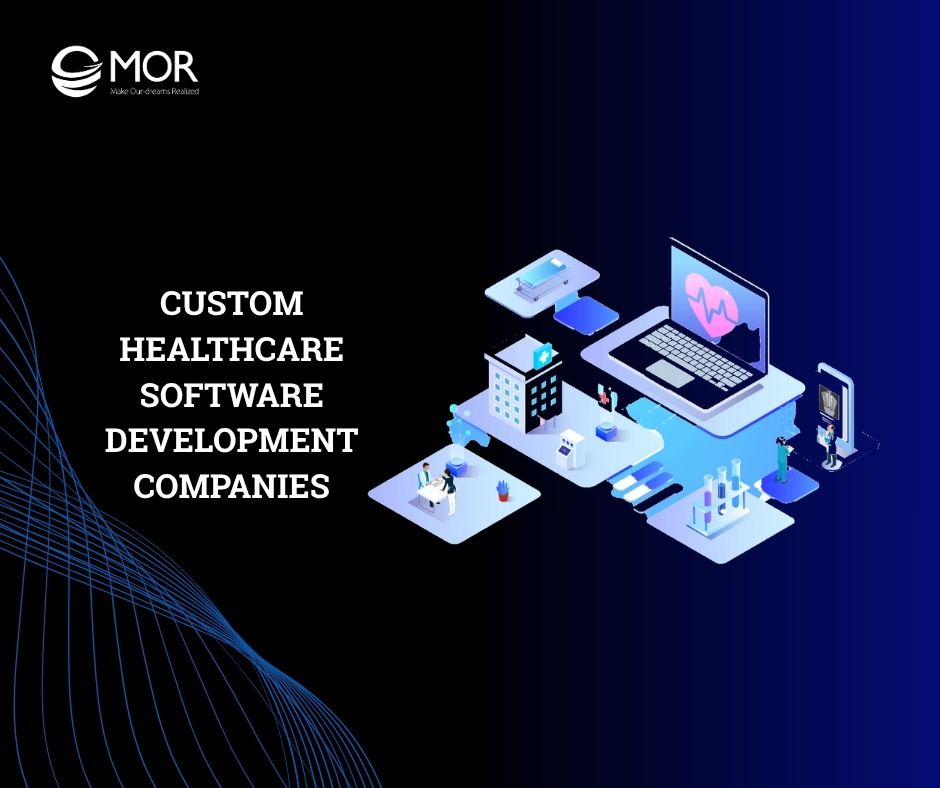
What benefits are custom healthcare software development companies bringing to the healthcare industry today? Why do companies invest heavily in this solution? This article explores the benefits, leading companies, and success cases.
What is Custom Healthcare Software Development?
Custom healthcare software development is creating customized software solutions to meet the specific needs of healthcare organizations. Unlike pre-packaged software, custom solutions are designed to integrate seamlessly with existing workflows, increasing efficiency and improving patient care.
Custom medical software can include electronic medical records (EHR) management systems, patient management software (PMS), mobile health applications, and data analytics tools. Each solution is developed to address specific challenges, ensuring compliance and optimization for current operational processes.
For example, a hospital needs a custom EHR to connect departments, helping to update and share patient information quickly. Clinics may need a PMS to automate registration and treatment tracking processes, reduce administrative work, and improve patient experience
Benefits of Custom Healthcare Software
Enhancing Patient Care with Custom Software
Custom software can significantly improve patient outcomes by providing decision support tools, effective electronic health record (EHR) management, and optimization of care processes and patient care.
Decision support tools can help doctors and medical staff make more accurate and faster decisions by providing accurate and timely information about a patient's health status. Custom EHR software not only helps manage medical records efficiently but also allows quick and easy access to patient information from anywhere in the hospital or clinic.
According to a study from HIMSS Analytics, hospitals using EHRs have seen significant reductions in medical error rates and improvements in the quality of patient care.
Streamlining Operations and Increasing Efficiency
Custom software solutions help optimize operational processes, reduce waiting times, and increase work efficiency.
For example, a patient management system (PMS) can automate the registration and appointment scheduling process, easing the workload for staff and reducing wait times for patients. PMS can also integrate automatic appointment reminders, insurance information management and payment features, helping to save time and resources.
A report from Grand View Research forecasts the global healthcare IT market to expand at a compound annual growth rate (CAGR) of 15.8% from 2024 to 2030, largely thanks to the increased operational efficiency.
Customized software solutions not only help reduce operating costs but also enhance management and operations capabilities, thereby improving the quality of medical services.

Compliance and Security
Ensuring compliance with legal regulations and data security is one of the top priorities for healthcare organizations.
Custom software is developed to comply with standards such as HIPAA in the US or GDPR in Europe, ensuring that patient data is properly protected and managed. These solutions often include data encryption, access control, and activity tracking features to ensure that only authorized people can access sensitive information.
Custom healthcare software development not only helps improve the efficiency and quality of medical services but also ensures that medical organizations always comply with legal regulations and data security, bringing long-term benefits to both patients and medical organizations.
The quality and reliability of healthcare software are ensured through rigorous testing processes. Learn about Manual vs. Automated Testing: Which Approach Fits Your Needs?
Leading Custom Healthcare Software Development Companies
Overview of Top Companies
Below is a list of the leading companies in the field of custom medical software development:

Company Profiles and Specializations
1. MOR Software
Services: MOR Software provides custom software development solutions for the healthcare industry, including electronic medical record (EHR) management, patient management systems (PMS), and medical services telemedicine. They also develop mobile health (mHealth) solutions and integrate existing health systems with advanced data analytics tools.
Clientele: Company serving hospitals, clinics, and healthcare organizations in North America, Europe, and Asia.
Strengths: MOR Software stands out for its highly customized solutions and dedicated customer service.
Technologies: MOR Software uses AI automation, machine learning, big data, and cloud computing in healthcare to ensure security and efficiency in medical solutions.
2. Cerner Corporation
Services:
- EHR (Electronic Medical Record): Comprehensive patient record management solution, integrating decision support and medical devices.
- Hospital Management: Optimize hospital processes, from appointment scheduling to resource management.
- Data Analytics: Medical data analytics tools to improve treatment decisions and outcomes.
Clientele: Mayo Clinic, Cleveland Clinic, NHS.
Strengths:
- Technological innovation: Integrating AI and machine learning.
- Global scale: More than 29,000 employees and extensive international experience.
Technologies:
- AI and Machine Learning: Improving clinical prediction.
- Cloud Computing: Provides flexible and scalable solutions.
3. Epic Systems Corporation
Services:
- EHR: Customized and integrated EHR solutions.
- Patient Management: Appointment management and treatment monitoring tool.
- Telemedicine: Support for remote medical examination via video and text message.
Clientele: Johns Hopkins Hospital, Mayo Clinic Hospital.
Strengths:
- Customizability: Tailored to specific needs.
- Reputation: Highly reliable and stable.
Technologies:
- Machine Learning: Improving data analysis.
- Cloud Computing: Providing flexible solutions.
4. Allscripts Healthcare
Services:
- EHR: Integrated EHR solution.
- Remote Health Management: Remote care tools.
- Healthcare Finance: Billing and insurance management.
Clientele: Ascension Health System, MedStar Hospital.
Strengths:
- Integration Capabilities: Integrate other systems and tools.
- Innovation: Continuous updates and improvements.
Technologies:
- Cloud Computing: Flexible and scalable solution.
- Data Analytics: Data-driven decision support.
5. Athenahealth
Services:
- EHR: Easy-to-use EHR solution.
- Patient Management: Appointment and registration management tool.
- Healthcare Finance: Billing and insurance management.
Clientele: Partners HealthCare Hospital, Mount Sinai Health System.
Strengths:
- Cloud Solution: Easy remote management.
- Support Service: 24/7 customer support.
Technologies:
- Cloud Computing: Flexible and easy to expand.
- Automation: Optimize management processes.
6. Tata Consultancy Services (TCS)
Services:
- Custom Software Development: EHR solutions, patient management, data analytics.
- Consulting and Integration: Optimization and integration of software systems.
- Cloud and Big Data: Medical data management and exploitation.
Clientele: NHS Health System, Apollo Hospitals.
Strengths:
- Global Experience: 500,000+ employees, international deployment.
- Big Data Solution: Effective big data analysis.
Technologies:
- Cloud Computing: Flexible solution.
- Big Data: Medical data management and analysis.
Key Services Offered by Healthcare Software Development Companies
Custom Healthcare Software Solutions and Services
Popular services provided by medical software development companies include:
- Electronic medical record (EHR) management system: EHR is an electronic system that stores and manages patient medical records. It includes information about your medical history, test results, prescriptions, and notes from medical visits.
- Telemedicine solutions: Telemedicine allows doctors and patients to communicate via video, text messages, or other online tools for remote examination and consultation.
- Patient Management System (PMS): PMS helps manage the registration process, appointments, and patient records. It includes tools to optimize the operational processes of medical facilities.
- Medical Data Analytics: Medical data analytics uses AI automation tools and techniques to process and analyze big data from medical records, test results, and other sources.
- Mobile healthcare (mHealth) solutions: mHealth includes mobile applications and wearable devices used to monitor health, manage disease, and provide remote care.

Integration with Existing Systems
One of the biggest challenges when implementing new medical software is integrating it with existing systems. Leading medical software development companies often have extensive experience in ensuring that new solutions work seamlessly with existing infrastructure, from EHR systems to medical devices and financial management software.
Leveraging the right framework is essential for developing healthcare applications tailored to specific needs. Check out the Top Mobile App Development Frameworks to guide your choice.
How to Choose the Right Custom Healthcare Software Development Company
Key Features to Look for in a Development Partner
When choosing a custom medical software development partner, important factors to consider include:
- Experience and reputation in the medical industry: Choose a partner with extensive experience in medical software development. They should have a track record of success with similar projects and a clear understanding of the unique requirements of the healthcare industry. The partner should have a good reputation in the industry with trustworthy certifications or awards.
- Integration and customization capabilities: Ensure that partners can integrate new software with the healthcare organization's existing systems, such as EHR systems, patient management, and other tools.
- Compliance with security and legal standards: Partners need to comply with data security standards such as HIPAA (US) or GDPR (Europe), ensuring that patient data is protected from threats to network security.
- Professional and experienced development team: Look for partners whose teams have implemented successful projects in the healthcare industry, ensuring they are capable of solving technical challenges and specific requirements.
Ensuring robust security in healthcare applications is crucial for protecting sensitive patient data. Learn more about effective strategies to safeguard apps and user data in our article: Mobile App Security: Protect Your App & User Data Effectively.

Factors to Consider When Choosing a Company
- Costs and Pricing Structure: Consider the overall cost and calculation method (by hour, project, or service package). Ensure the pricing structure is clear, with no hidden costs, and request detailed price lists for effective budget management.
- Reviews from Existing Customers: Find feedback from current and previous customers to evaluate service quality. Ask for case studies of similar projects to understand the company's capabilities and results.
- Post-Deployment Support Services: Make sure the company provides post-deployment maintenance and technical support, including updates and bug fixes. Consider training services so your team can use the software effectively.
- Software Update and Upgrade Capabilities: Companies need to provide updates to keep up with new regulations and technology. Evaluate the ability to perform upgrades to improve functionality and performance over time.
To build innovative healthcare mobile applications, developers often rely on the best tools available. Discover the top mobile app development tools in 2024.
Case Studies of Successful Custom Healthcare Software Projects
Real-World Examples of Successful Implementations
Case Study: Successful cooperation between MOR Software and I-Medisync: Comprehensive Healthcare System
I-Medisync is a comprehensive software system designed to optimize hospital and clinic operations. The project lasted 24 months, used Java Spring, ReactJS, and AWS technologies, and was developed by a 12-member team. The system integrates with medical equipment to automatically collect data, manage clinics, staff, and patients, and automate billing processes. A User-friendly interface helps provide flexible medical services.
Client feedback
I-Medisync has significantly improved the operational efficiency of its hospitals and clinics. The system automated data entry and billing processes, reducing errors and improving the quality of patient care. Customers appreciate the system's flexibility and scalability, which allows for future integration with other medical facilities.
Front-end development tools play a significant role in creating intuitive healthcare application interfaces. Explore the Tools for Front-End Development used by industry leaders.
Conclusion
Custom medical software development has major benefits in enhancing patient care and optimizing medical operations. Custom healthcare software development companies provide effective security and integration solutions. Choosing the right company is key to achieving optimal results, as proven through successful case studies.
MOR SOFTWARE
Frequently Asked Questions (FAQs)
What do healthcare software development companies actually do?
Healthcare software development firms focus on creating digital solutions tailored specifically to the medical sector, such as custom EHRs, telehealth platforms, patient management portals, medical device technology, and clinical data analytics tools.
What sets these companies apart is their deep mastery of strict medical regulations (like HIPAA), data exchange protocols (FHIR, HL7), and the complex day-to-day operations of clinical settings. Unlike general software agencies, they pair strong technical capabilities with specialized knowledge in healthcare compliance, operational efficiency, and patient safety.
What is the typical budget for custom healthcare software development?
Developing medical software generally ranges from low six figures for targeted applications to seven figures for enterprise-grade clinical networks. While factors like regulatory compliance, EHR integration, and advanced cybersecurity drive up initial costs, these investments are minimal compared to the financial fallout of a data breach - which reached an average cost of $9.77 million in the healthcare industry in 2024.
Is it possible to integrate new healthcare software with our current legacy systems?
Absolutely. Seamless system integration is a primary expertise of experienced medical software engineers.
They regularly connect new tools with leading EHR platforms (such as Epic, Cerner, and Allscripts), medical practice software, laboratory systems, pharmacy networks, and insurance portals. Because integration effort and expense depend on the target system's architecture, you should always ask prospective development partners about their track record with your specific platforms and their experience with healthcare data interoperability.
What is the average timeline for building a healthcare software solution?
Project timelines vary depending on overall scope and technical complexity:
- Basic applications: 3 to 6 months.
- Standard telemedicine or patient engagement systems: 8 to 12 months.
- Enterprise hospital systems or multi-site EHRs: 18 to 24 months or more.
Keep in mind that regulatory steps can extend deadlines - for instance, FDA-regulated software requires comprehensive validation testing and documentation. Additionally, factor in potential delays when connecting with third-party EHRs that have restricted API access or lengthy review processes.
What are the most frequent reasons healthcare software projects fail?
The most common points of failure include vulnerabilities in PHI data security, unreliable EHR integrations, poor alignment with actual clinical workflows, and inadequate software testing that leads to audit non-compliance. Following strict engineering practices, rigorous testing, and standardized HL7/FHIR interfaces can mitigate most of these risks. (For specialized custom AI solutions in medicine, explore our guide to top healthcare AI development agencies.)
How does new healthcare software connect to legacy system modernization?
Many healthcare providers rely on outdated IT infrastructure that must be upgraded or refactored before modern applications can integrate successfully. Because legacy transformation carries its own unique technical risks, it is typically handled by specialized engineering teams. (To learn more, check out our curated lists of top healthcare legacy modernization experts and leading machine learning and AI in healthcare software agencies.)
What are the biggest hurdles when building software for the healthcare sector?
Medical software engineering involves distinct challenges that standard development projects rarely encounter:
- Compliance & Auditing: Meeting regulatory guidelines requires exhaustive documentation, robust data privacy measures, and continuous audit readiness.
- System Interoperability: Navigating fragmented IT ecosystems with non-standardized formats and legacy connectivity requires advanced engineering.
- User Adoption: Medical professionals often push back against digital tools that interrupt established clinical routines. Overcoming this requires intuitive UX design and thoughtful change management.
Which technology trends are driving healthcare software development today?
- AI-Driven Diagnostics: The fastest-growing market segment (expanding at a 35%+ CAGR), powering medical image recognition, clinical decision engines, and predictive health analytics.
- FHIR-Based Interoperability: Platforms utilizing FHIR standards continue to rise as organizations aim to eliminate data silos.
- IoMT & Remote Monitoring: Connected medical devices and virtual patient tracking solutions have experienced massive post-pandemic adoption.
- Voice & Conversational AI: Natural language interfaces are increasingly used to streamline patient interactions and documentation.
- Healthcare Process Automation: No-code/low-code integration platforms are gaining traction to link disparate clinical software without building custom code from scratch.
Share


Make Our-Dreams Realized


© 2023 . MOR Software. All Rights Reserved
Sitemap
Privacy Policy
Terms of Use

Rate this article
0
over 5.0 based on 0 reviews
Your rating on this news:
Name
*Email
*Write your comment
*Send your comment
1