


MOR Software Attends Vietnam–Japan Digital Technology Forum 2026 in Tokyo
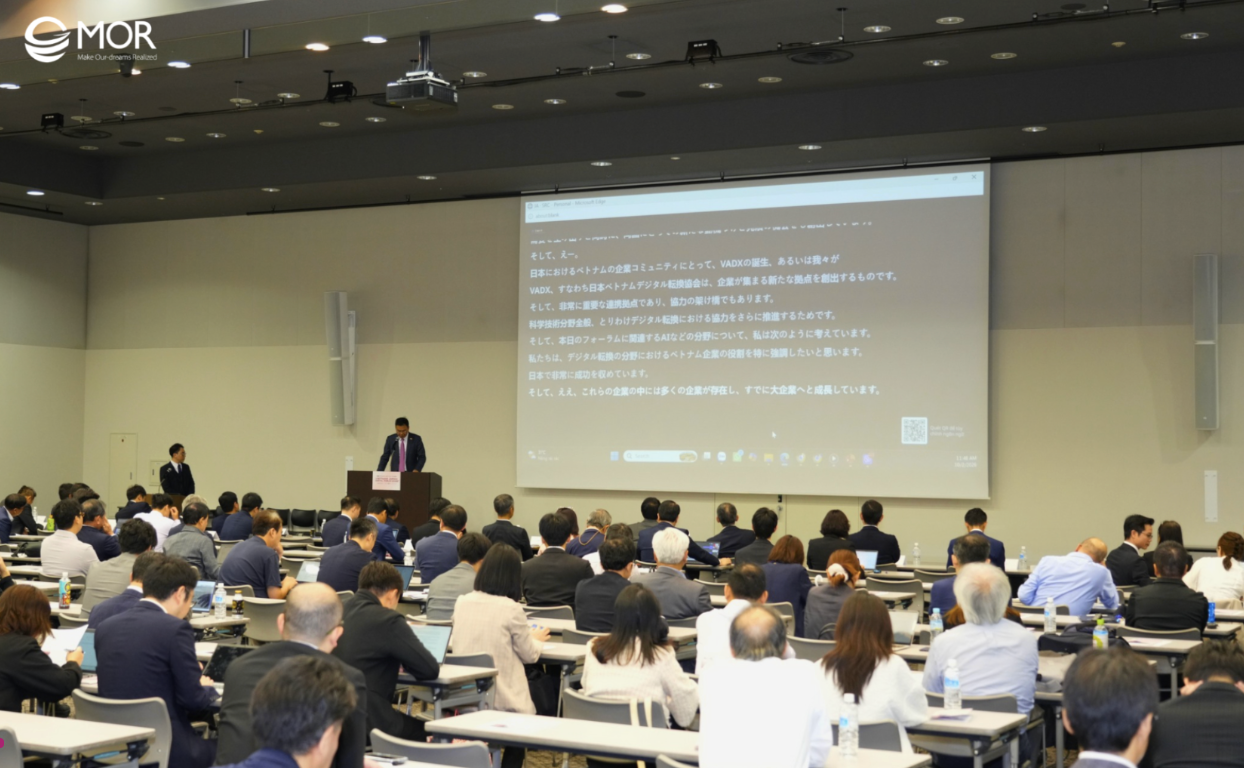
MOR Software Attends Vietnam–Japan Digital Technology Forum 2026 in Tokyo
MOR Software attended the Vietnam–Japan Digital Technology Forum 2026 in Tokyo, Japan, on October 2, represented by Chairman Dang Le Hung. The forum brought together more than 250 senior executives from Japanese corporations and leading Vietnamese digital technology companies to explore opportunities for deeper technology cooperation.
Under the theme “Vietnam–Japan Digital Synergy: Co-creating the Future with AI and Deep Technologies,” the event highlighted a broader shift in bilateral technology cooperation: moving beyond traditional outsourcing toward co-creation, where businesses work together to identify challenges, develop solutions, and bring new products to market.
For companies evaluating technology partners in Japan, this shift raises an important question: How can IT outsourcing evolve from a way to access technical resources into a long-term partnership that delivers greater business value?
Vietnam–Japan Digital Technology Forum 2026: From Outsourcing to Co-Creation
Traditional IT outsourcing follows a straightforward model: the client defines the requirements, and the technology provider develops the solution. This approach works well when project scope, technical specifications, and expected outcomes are already clear.
However, complex technology initiatives often require more than development resources. When modernizing legacy systems, for example, businesses may need to address fragmented data, redesign existing workflows, and integrate new platforms without disrupting daily operations.
This creates opportunities for a more collaborative approach. Through co-creation, businesses and technology partners work together from the early stages to identify underlying challenges, evaluate technical options, and develop solutions aligned with business objectives. Clients contribute operational knowledge, while technology partners bring engineering expertise and technical perspectives.
Rather than focusing solely on delivering predefined requirements, technology partners can contribute earlier to solution design and help businesses address broader operational and technology challenges.
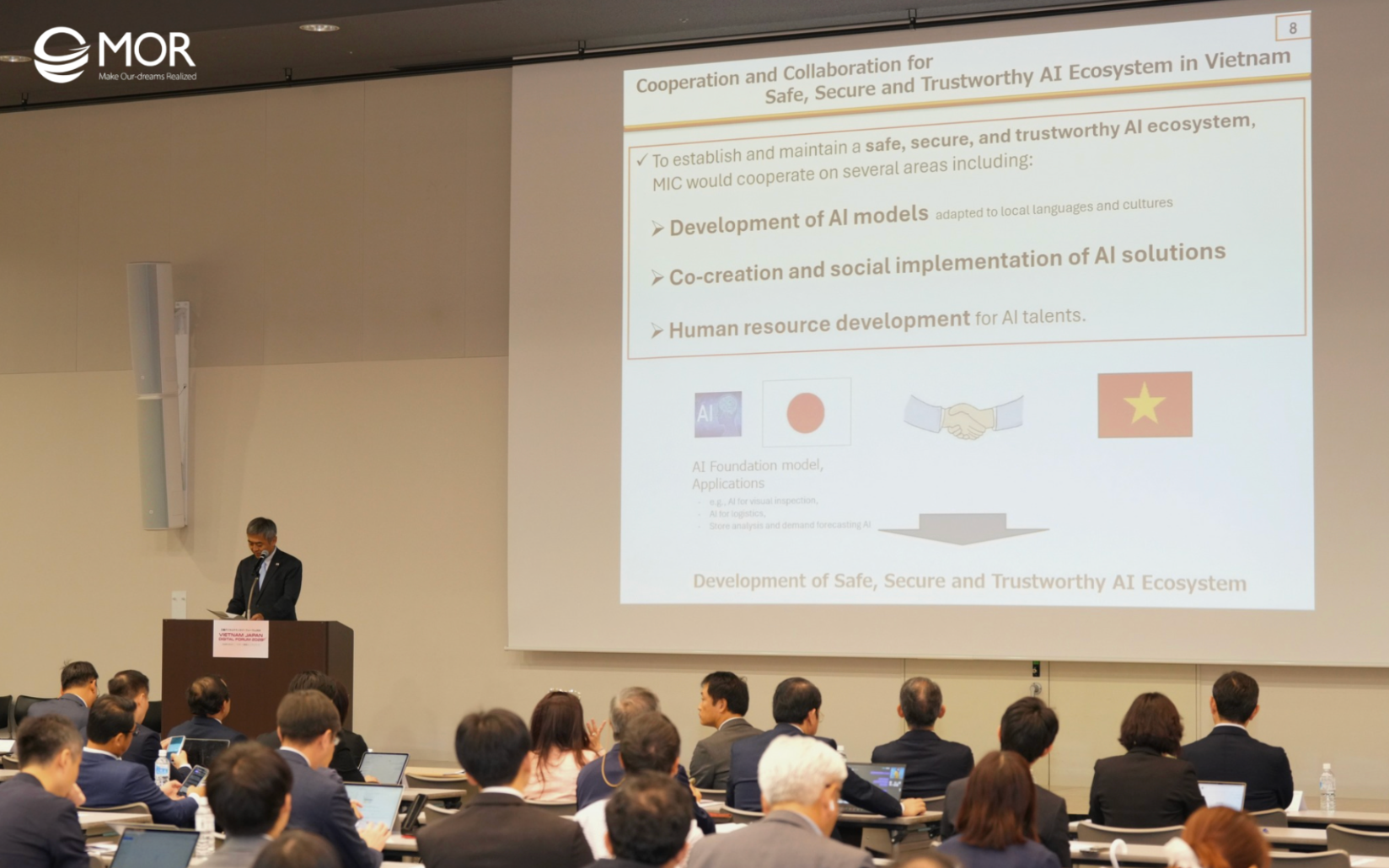
Vietnam's Expanding Role in Japan's Technology Ecosystem
Vietnam has become an established technology sourcing destination for Japanese businesses. According to VietnamPlus, citing data from the Vietnam Software and IT Services Association (VINASA), more than 300 Vietnamese ICT companies serve the Japanese market, with over 100 maintaining offices in Japan. Vietnamese providers account for approximately 6–7% of Japan's software outsourcing market.
As Japanese businesses continue to modernize legacy systems and adopt emerging technologies such as AI, opportunities are expanding beyond traditional software development. Businesses increasingly require support in system integration, tailored solution development, and long-term technology operations.
This creates opportunities for Vietnamese technology providers to contribute across more stages of the technology lifecycle, from solution design and research and development (R&D) to joint product development. For Japanese businesses, the value lies not only in accessing engineering talent but also in building partnerships that can evolve with their technology needs.
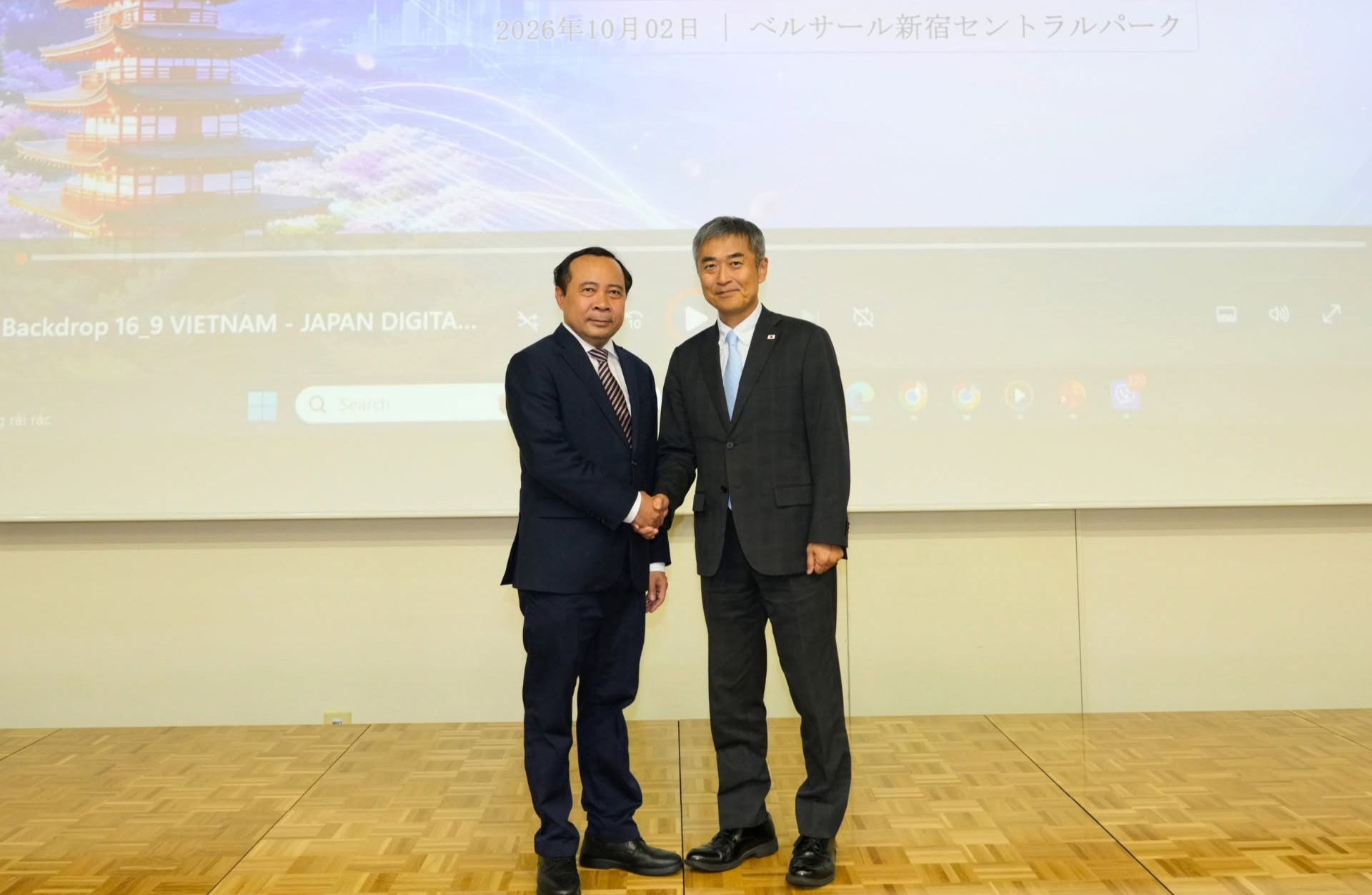
MOR Software's Presence in Japan
With offices in Tokyo, Osaka, and Nagoya, MOR Software supports Japanese businesses through software development outsourcing and Offshore Development Center (ODC) services. While outsourcing helps businesses deliver specific projects, the ODC model provides dedicated engineering teams for ongoing development and long-term technology needs.
By offering both models, MOR helps businesses access technical expertise and scale development capacity according to their requirements.
Looking for a technology partner beyond traditional outsourcing? Explore MOR Software's services and contact our team to discuss a collaboration model that fits your business needs.
"Make Our-dreams Realized"
MOR News


Marketing & Communication
Share


Make Our-Dreams Realized


© 2023 . MOR Software. All Rights Reserved
Sitemap
Privacy Policy
Terms of Use

Rate this article
0
over 5.0 based on 0 reviews
Your rating on this news:
Name
*Email
*Write your comment
*Send your comment
1